

From the National Museum of World Cultures in the Netherlands
Tea ceremony utensils beloved by Blomhoff, the head of the Dutch trading post in Dejima, Nagasaki, are returning to Japan after approximately 200 years.
"OTEMAE ~Blomhoff, the foreigner who loved the tea ceremony~"
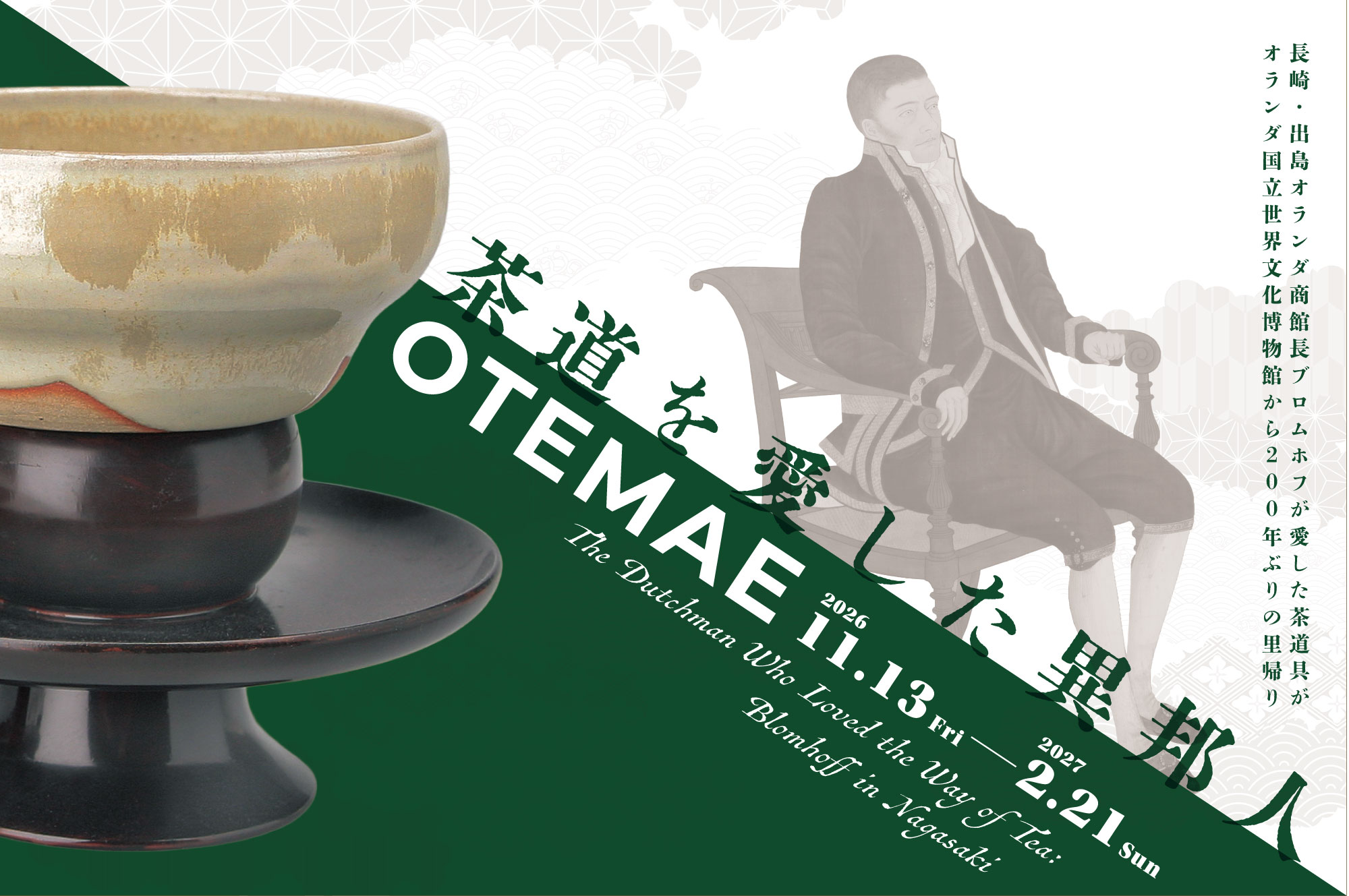
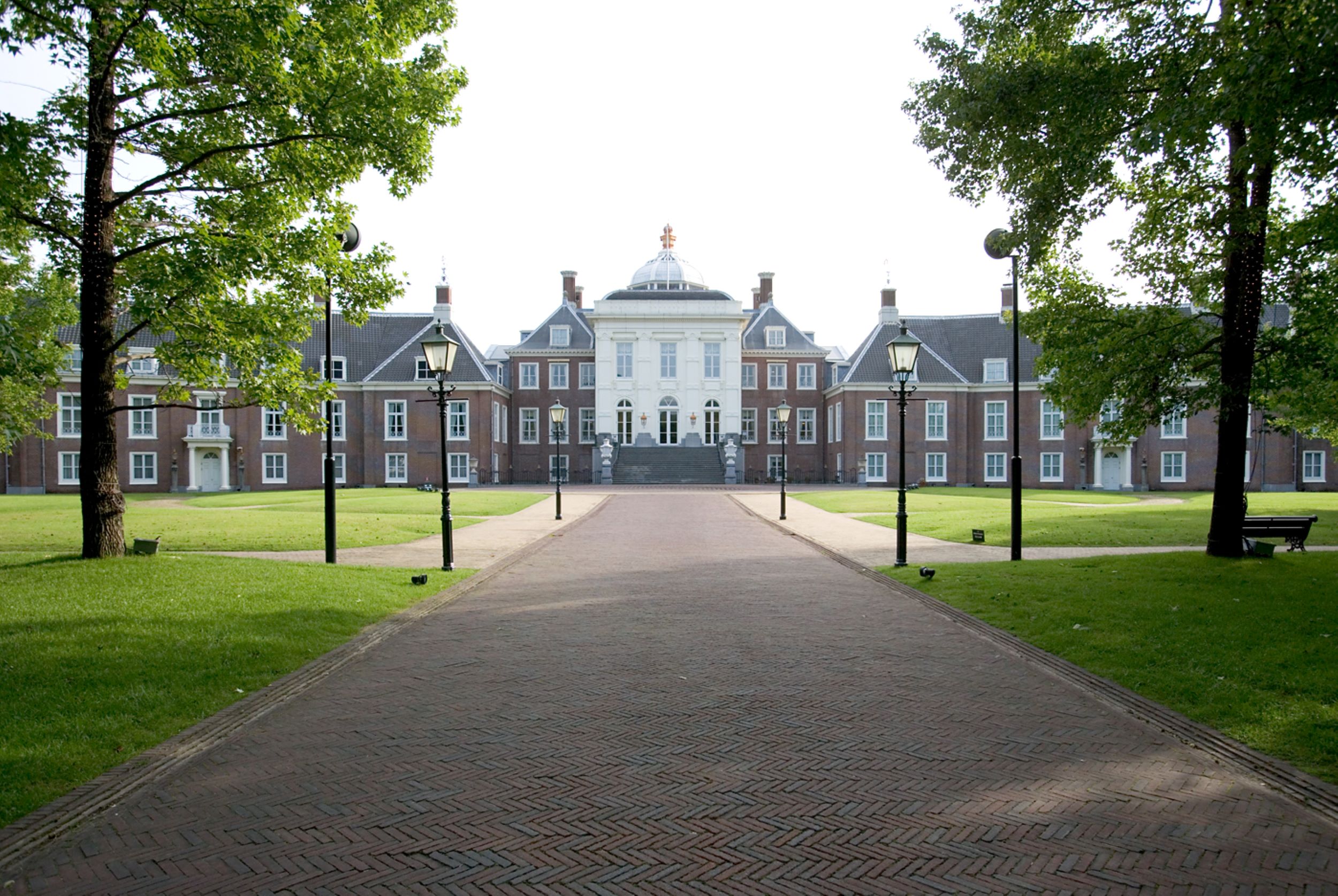
Venue: Huis Ten Bosch Museum (inside Palace Huis Ten Bosch)
Period: November 13, 2026 (Fri) - February 21, 2027 (Sun)
* Huis Ten Bosch will be closed from January 12th (Tue) to 15th (Fri), 2027.
The world's first collection of Japanese artifacts, originally presented to the King of the Netherlands, will return to Japan after 200 years, thanks to the cooperation of various parties in the Netherlands. Approximately 100 tea ceremony utensils, along with "Hatsumukashi," the oldest surviving tea leaves, will be on display at "Palace Huis Ten Huis Ten Bosch" (Huis Ten Bosch Museum), a faithful recreation of a Dutch palace.
This exhibition, which has been in the works for over 20 years, allows you to rediscover Japanese culture through the collection of Jan Cock Blomhoff, a foreigner who was captivated by Japanese tea culture, and to experience the world of "living tea ceremony" in the Edo period.
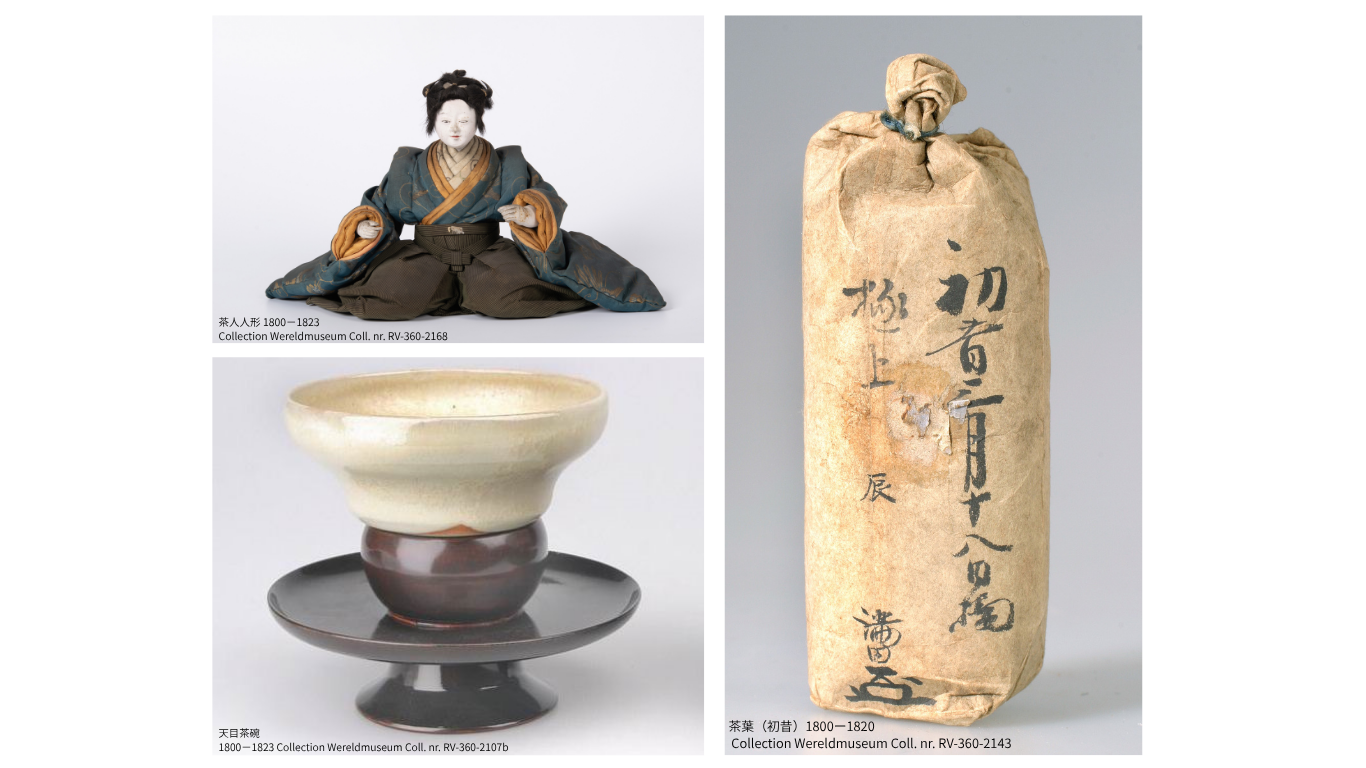
Highlights of the approximately 100 tea ceremony utensils collected by Blomhoff, the head of the trading post in Dejima, Nagasaki.
"Another Tale of a Tea Master / A Foreigner Who Loved the Way of Tea"
The OTEMAE and passionate spirit of Blomhoff, head of the Dutch trading post in Dejima.
One Dutch trading post director, Blomhoff, was deeply fascinated by Japanese tea culture. What he brought back was not merely beautiful tea bowls and utensils. Traces of his deep understanding of the tea ceremony procedures and principles, and his attempt to convey its spirit to his homeland, can be seen throughout his collection of approximately 100 items.
This exhibition brings together a systematic collection of tea ceremony utensils and "tea ceremony figurines," enough to recreation an actual tea ceremony. It offers a glimpse into the world of Edo-period tea ceremony, a world that Blomhoff once focused his gaze upon.
Japanese Culture That Impressed Foreigners
Besides Blomhoff, Siebold and Fissel also loved the beautiful Japan.
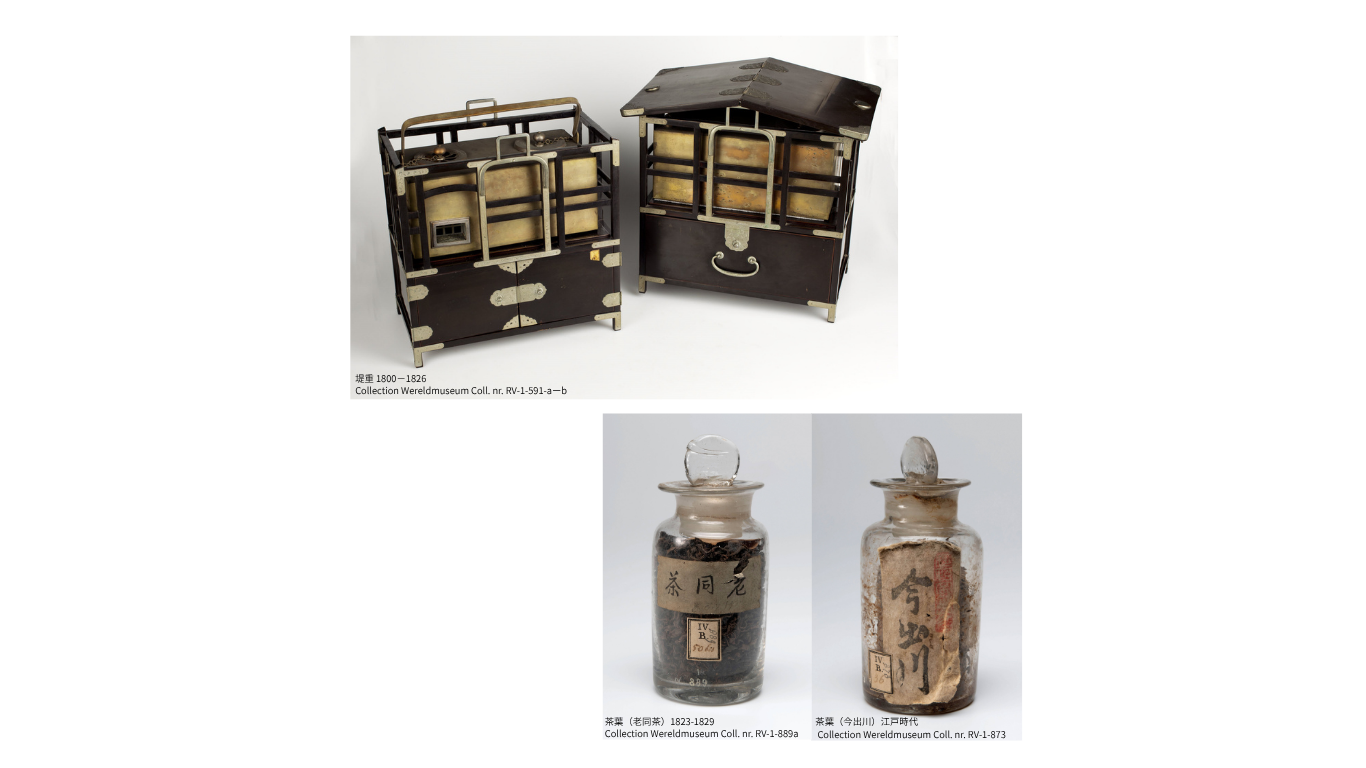
Blomhoff wasn't the only Dutchman captivated by Japanese tea ceremony and culture.Siebold, a physician at the Dutch trading post in Dejima, investigated Japan's nature and culture from a scientific perspective, and brought back various types of tea that were consumed in Japan to Europe. One of the most representative of these was "Jokisen."
This renowned tea, also known for the satirical poem about Perry's arrival that reads, "Jokisen tea awakens the peaceful slumber; just four cups keep me up all night," was one of the most prestigious teas of the Edo period.
This exhibition showcases precious tea leaves brought back by Siebold, including "Jokisen." Furthermore, trading post official Fissel systematically collected rare ceramics not found in Blomhoff's collection, as well as information on Japanese life and annual events, conveying the allure of Japanese culture to Europe.
Enjoy the charm of Edo-period Japanese culture as seen through the unique perspectives of three different individuals.
"Enshu-ryu tea ceremony, which incorporated exotic tastes and brought a new aesthetic sense to the Edo period."
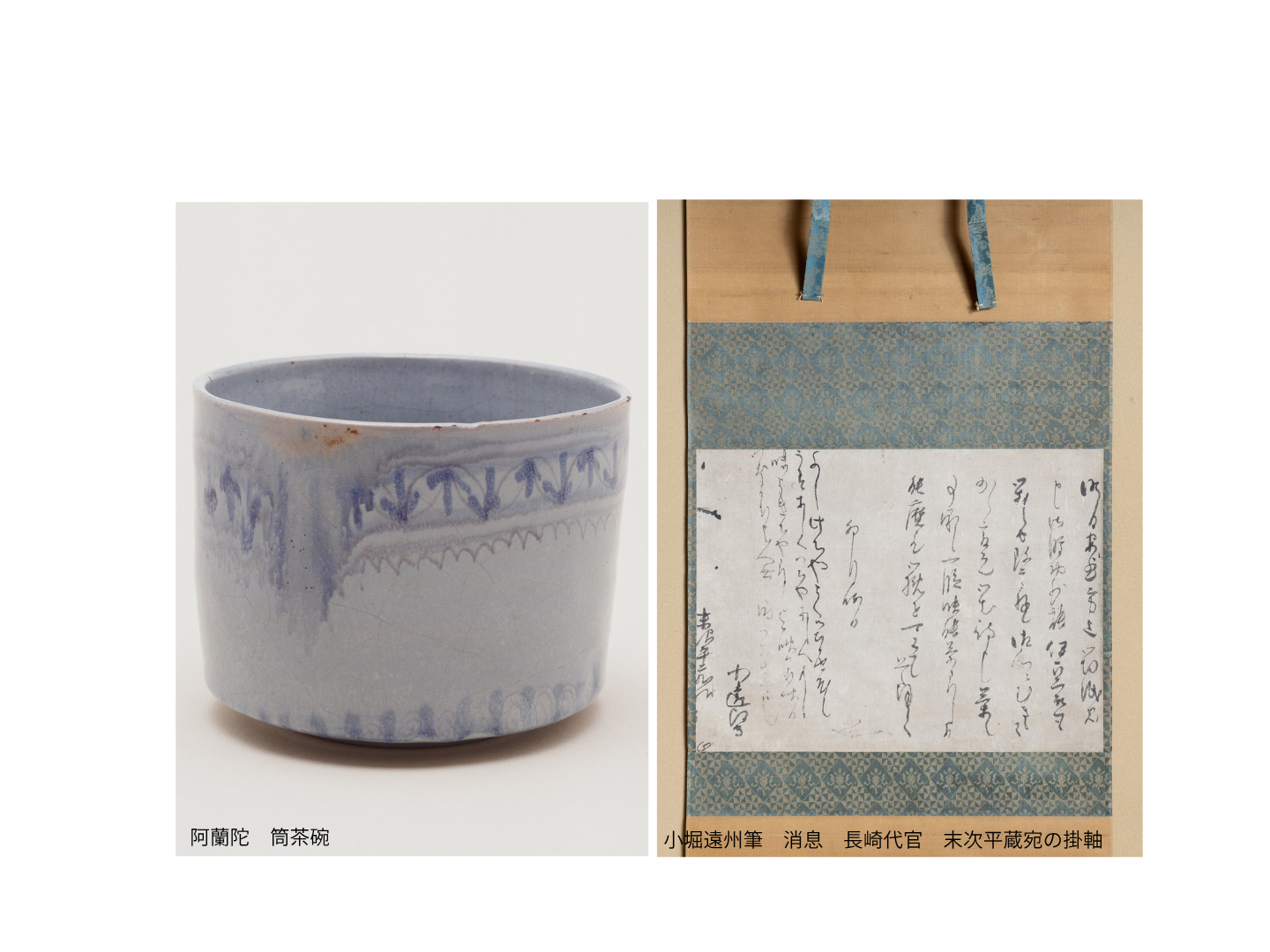
Enshu-ryu Tea Ceremony
Kobori Enshu and the Netherlands, and from the present to the future.
This exhibition will also introduce the deep connection between the Enshu-ryu school of tea ceremony, which boasts a 440-year history, and the Netherlands. The founder of the school, Kobori Enshu, was a leading daimyo tea master of the early Edo period. He had a keen interest in ceramics and exotic tea utensils brought from overseas, and while actively incorporating their beauty into the tea ceremony, he established his own unique aesthetic sense known as "kirei-sabi" (refined simplicity). Behind this was the presence of foreign culture brought in through the Dutch trading post.
This exhibition showcases tea ceremony utensils and materials related to the Netherlands that have been passed down through the Enshu school of tea ceremony, exploring the allure that Enshu and other tea masters of the time found in the beauty of a foreign land. In addition, the exhibition also displays items favored by the 13th head of the Enshu school of tea ceremony, Sojitsu Kobori, which were made in the Netherlands, as well as tea ceremony utensils that are modeled after Dutch vessels, allowing visitors to see the history of Japan-Netherlands exchange that has continued from the Edo period to the present day.
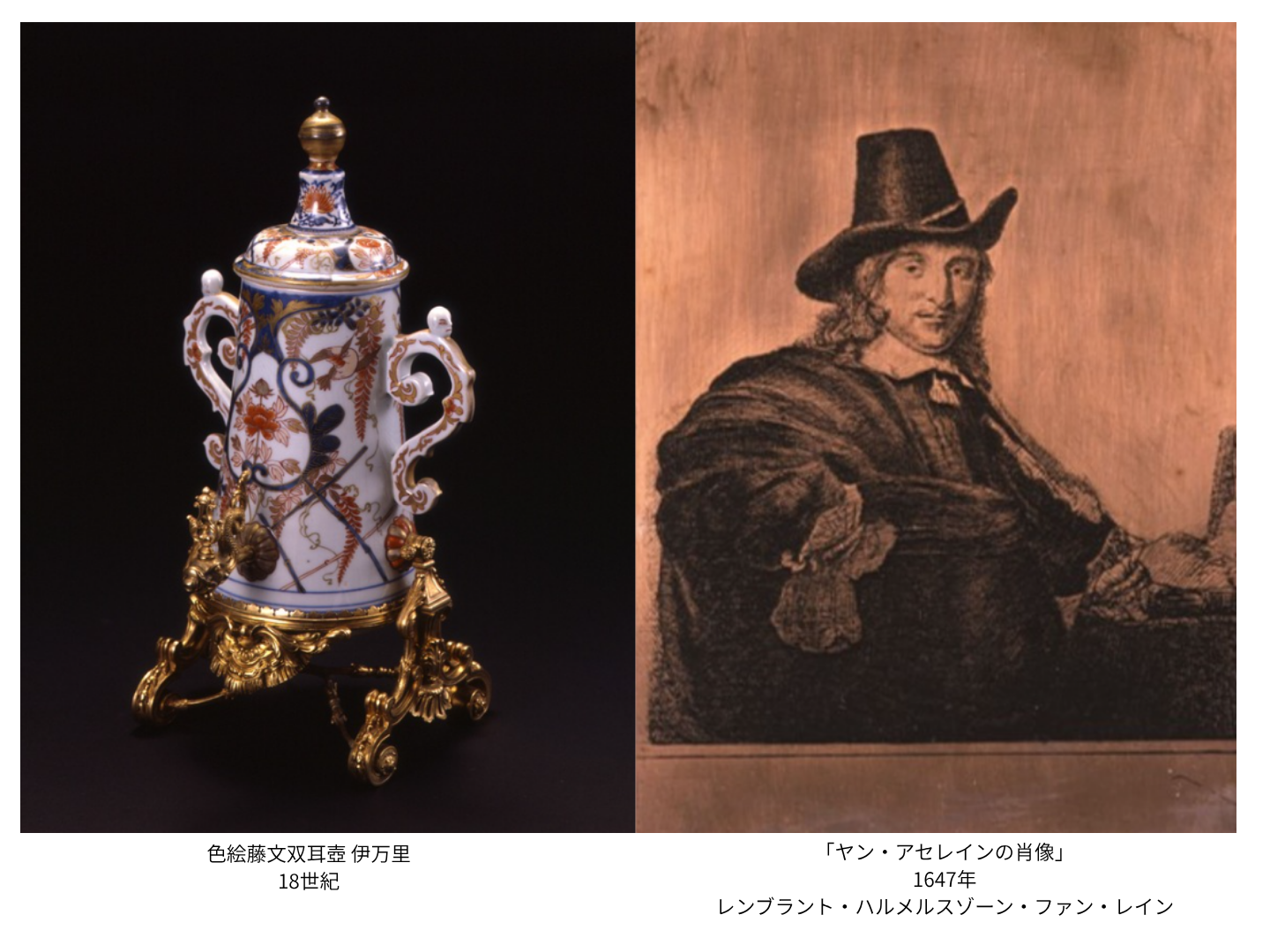
Huis Ten Bosch Collection
From the Netherlands to Japan, and from Japan to the Netherlands
From the 17th to the 19th centuries, the Netherlands and Japan saw a constant exchange of people, goods, and culture through Dejima.This exhibition showcases a wide range of Dutch folk art, paintings, crafts, and costumes from Huis Ten Bosch collection. While experiencing the European lifestyle and aesthetics of the era in which Blomhoff and others lived, visitors can feel the history of the connection between Japan and the Netherlands across the sea.
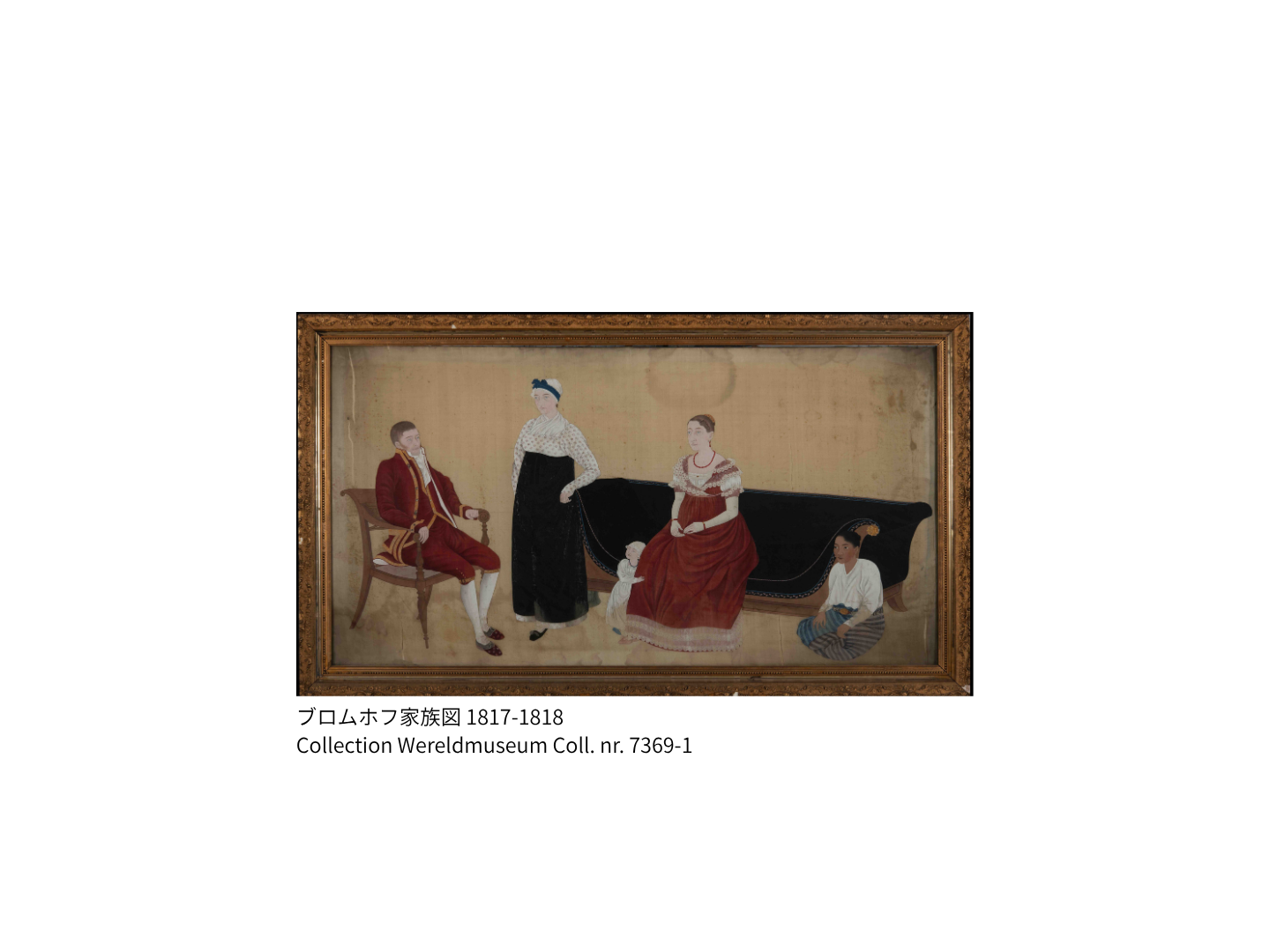
"Memories of Japan-Netherlands Exchange – First Exhibition in Japan, Restoration Project of Keika Kawahara's 'Blomhof Family Painting'"
This Blomhof family painting is a piece that preserved an irreplaceable time and is being shown for the first time in the world. Among the few Blomhoff family paintings that survive worldwide, this work is considered the first piece created by Keika Kawahara and serves as an extremely valuable work that serves as the origin of subsequent family paintings.
At that time, Japan was under national isolation, with strict restrictions on foreigners' stays, and women and children were not allowed to enter. Blomhoff's wife Titia and young son Johannes, who came to Japan with Blomhoff, were also forced to return to Japan just three months later by order of the shogunate.
This work is a witness to history, capturing those brief yet happy moments of a family. This work, newly acquired by the Leiden World Museum, has been restored in Kyoto and will be publicly exhibited for the first time in Huis Ten Bosch after restoration.
As part of efforts supporting the restoration and event hosting of this work, the organizers are conducting crowdfunding.
~In addition to viewing, we will also be holding hands-on events~
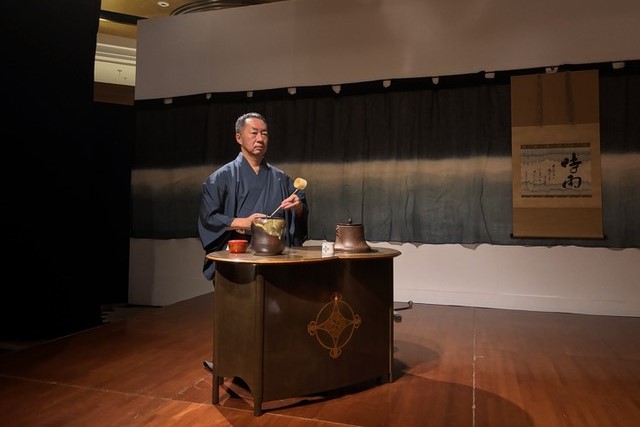
A special tea ceremony by the Enshu school of teaceremony.
In conjunction with this exhibition, a special tea ceremony of the Enshu school of tea ceremony will be held at Palace Huis Ten Bosch. As it will be a standing-style tea ceremony using chairs and tables, anyone, including those unfamiliar with the tea ceremony and children, can easily enjoy it. This special event offers a chance to spend a relaxing time while experiencing the world of tea ceremony that captivated Blomhoff.
Venue: Huis Ten Bosch Museum (inside Palace Huis Ten Bosch)
Admission: Free (A separate Huis Ten Bosch admission passport is required)
Dates: November 13th (Fri), 21st (Sat), 22nd (Sun), December 19th (Sat), 20th (Sun), January 16th (Sat), 17th (Sun)*Dates are subject to change without notice.
[Event Overview]
Exhibition Title: OTEMAE ~Blomhoff, the Foreigner Who Loved the Tea Ceremony~
Dates: November 13, 2026 (Fri) - February 21, 2027 (Sun) (97 days)
*The facility will be closed from January 12th (Tue) to January 15th (Fri), 2027, due to the closure of Huis Huis Ten Bosch.
Venue: Huis Ten Bosch Museum (inside Palace Huis Ten Bosch)
time: 10:00 AM - 6:00 PM (Last entry 30 minutes before closing)
* Huis Ten Bosch 's Business Hours and events may vary.
Admission Benefit: Guests who visit the exhibition during the exhibition period will receive a free "Ayataka Cafe Rich Matcha Latte" on a first-come, first-served basis.